Lake Friendly Erosion Control
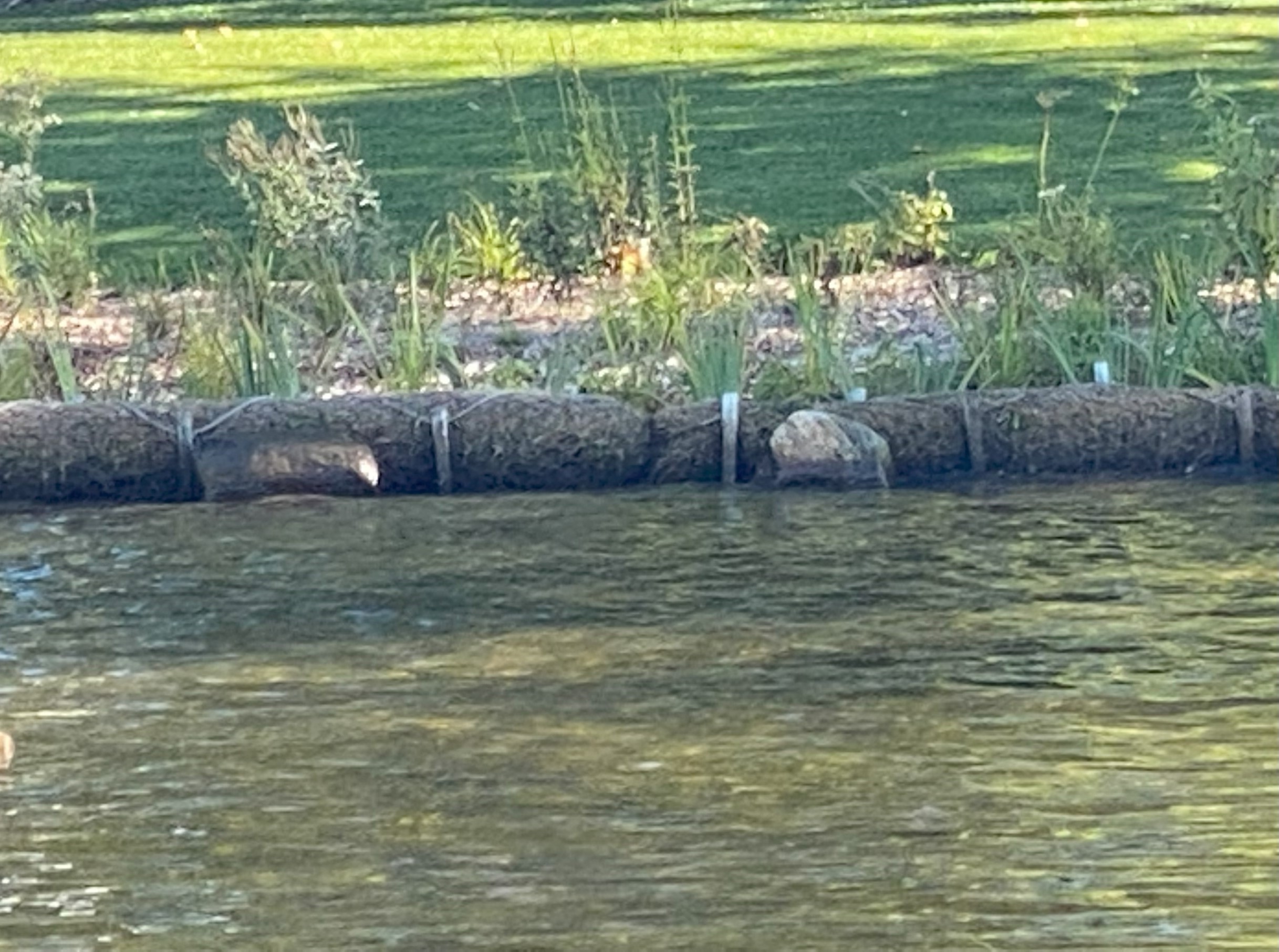
Soft Armor Bioengineering:
If the waves hitting shore are unusually strong, soft-armor bioengineering places plant materials into structures that are designed to withstand wave and ice action. Soft-armor bioengineering can be used anywhere where plants can grow. As the plants grow, their root structures naturally stabilize the shoreline.
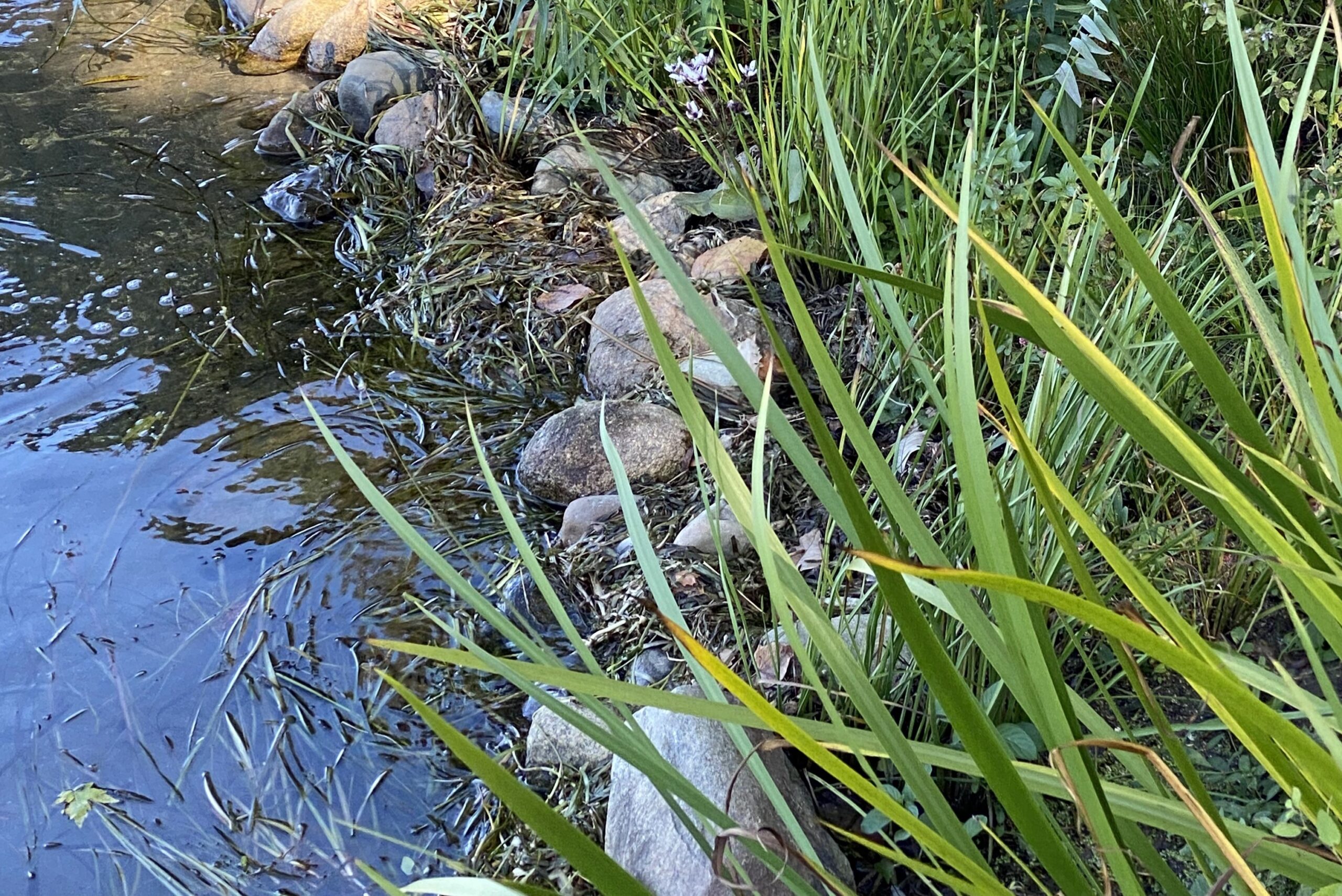
Hard Armor Bioengineering:
If more protection is needed, hard-armoring with rock riprap set at a gentle slope will absorb wave action and provide a path between lake and land for wildlife. Adding plants between the rocks provides greater stability with a softer, more lake-friendly solution.
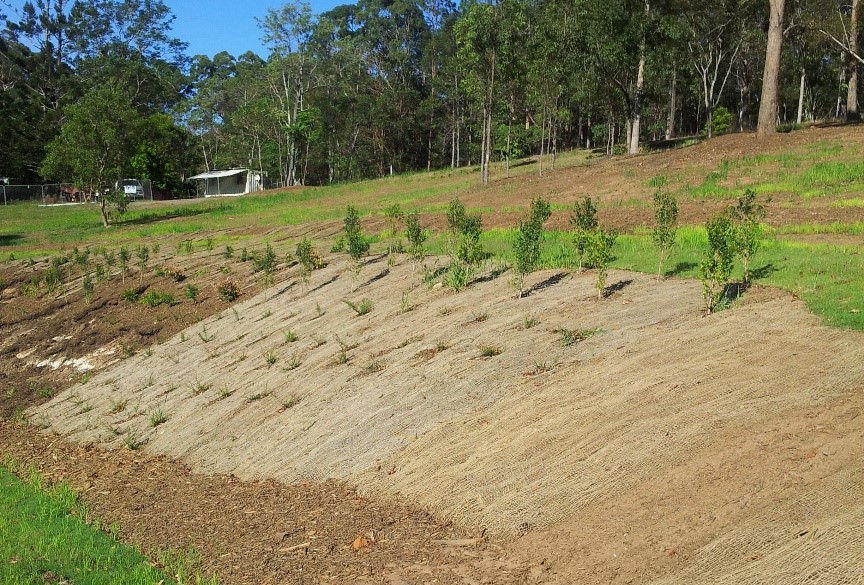
Erosion Control Fabrics:
Erosion control blankets hold soil in place until plants are established. These products are staked over a seeded area and allow plants to grow through the fibers. Plug plantings can be planted through the open woven fabrics or through slits made in the fabric of denser products.
Rain Gardens:
Soak up the rain with a Rain Garden. Beautify your yard and neighborhood while helping the environment with a rain garden. Rain gardens are a unique landscaping practice used to filter and absorb rainwater that runs off roofs and driveways, allowing it to be slowly reintroduced into our water system. They help the environment by keeping pollution out of storm drains and instead filter it naturally through the soil. Often planted with deep rooted and lush native plants, rain gardens are also an excellent way to attract birds and butterflies to your yard. Your HRCOLA has installed a rain garden at the Portage Lake DNR Boat Launch.
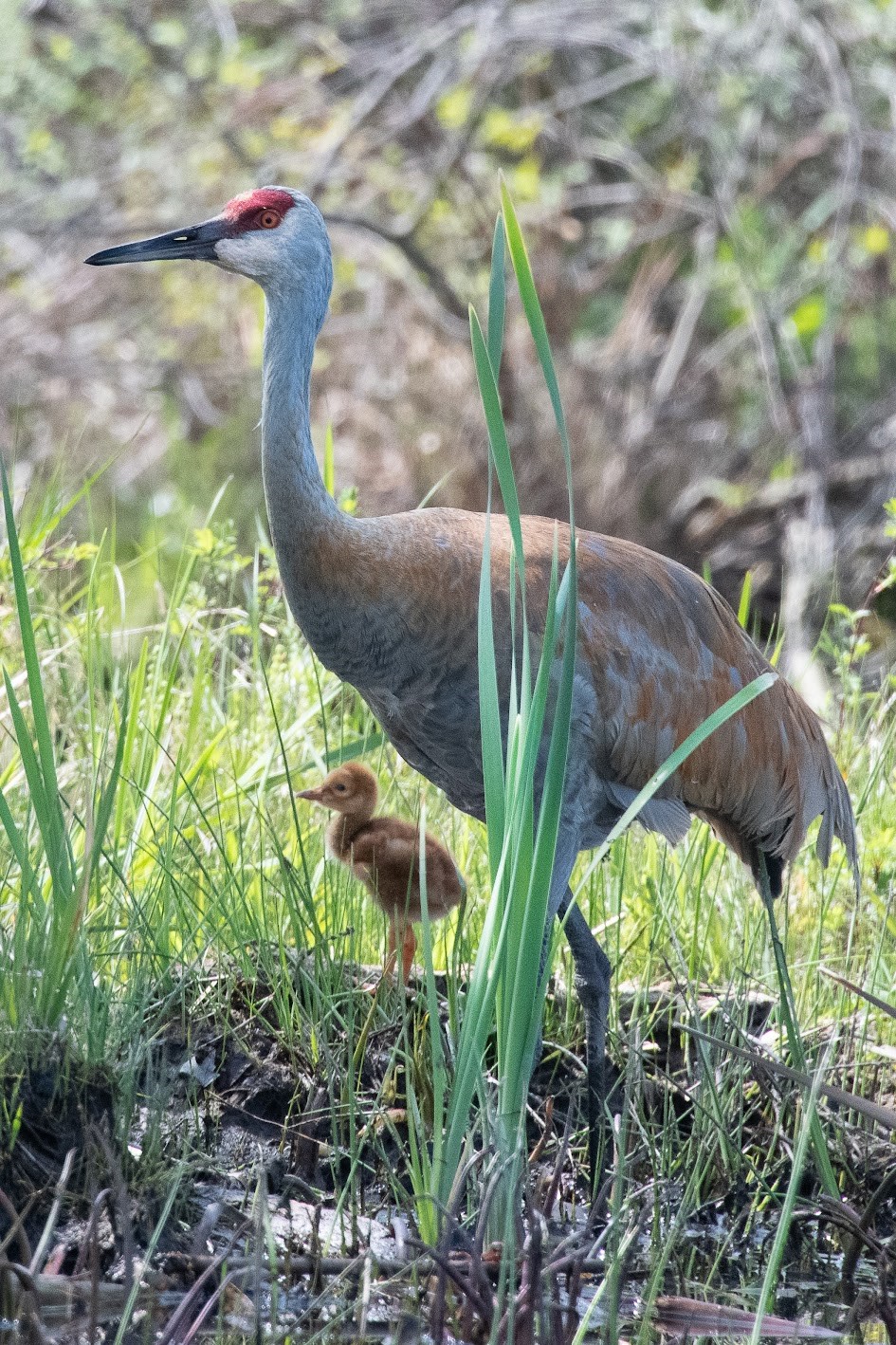
Photo Credit: Heidi Metzger
USE LAKE-FRIENDLY STRATEGIES FOR EROSION CONTROL
Lake-friendly alternatives to seawalls can limit erosion while providing many of the advantages of a natural shoreline.
Shoreline Gardens: Shoreline gardens with native plants stop erosion and are friendly to local wildlife.
For more information on lake friendly erosion control go here:
Please note, all shoreline alterations below the high water mark require a permit from the Michigan Department of Environment, Great Lakes, and Energy (EGLE). FOr more information go to: EGLE Shoreline Alteration Permits